
Ten Immediate Hurricane Preparedness Tips for Your Senior Loved One
 Ten Immediate Hurricane Preparedness Tips for Your Senior Loved One
Senior Safety During Florida’s Hurricane Season
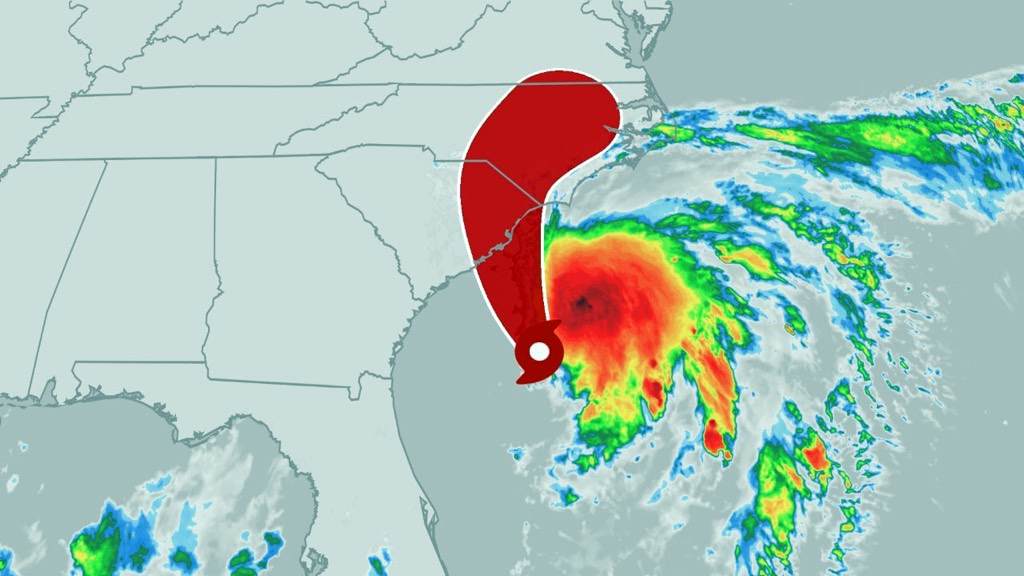
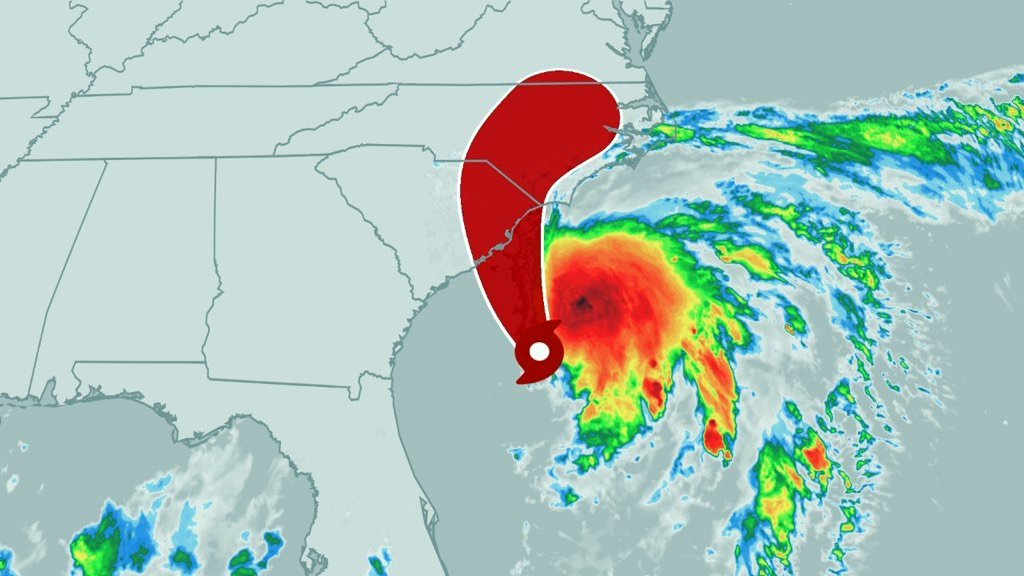
Hurricane season has started. After giving Florida residents a scare, Tropical Storm Chantal has tracked northward from South Carolina with rain, gusty winds, and rip currents.
But what if the next storm hits The Sunshine State head-on?
Hometown Care Management, launched last week by founder Elizabeth Brennen, is ready to work directly with families and senior living communities to ensure that their loved ones have a clear, safe plan in place, especially in the Palm Beaches and the Treasure Coast areas.
“We also offer emergency placement assistance if a senior
is displaced or if their care situation becomes unsafe.”— Elizabeth Brennen, RN, CGCM, DCP
Ms. Brennen offers these ten hurricane planning tips to ensure immediate preparedness:
1. Develop a Personal Emergency Plan
- Create a Plan: Seniors should have a detailed emergency plan that includes how to stay informed (e.g., local radio, weather apps) and what to do when a storm approaches.
- Designate a Contact Person: Choose a family member or friend who can be regularly updated on the senior’s status during the storm.
2. Prepare Your Home and Senior Community
- Secure the Property: Ensure that windows and doors are securely closed or boarded up. If the home or community is in an evacuation zone, plan to leave early.
- Check the Roof and Drainage: Make sure gutters and drains are clear, and inspect the roof for any potential vulnerabilities.
- Reinforce Vulnerable Areas: If possible, move furniture away from windows and other vulnerable spots. Consider moving to an interior room (e.g., bathroom or hallway) during the storm.
3. Pack an Emergency Kit
- Pack Essentials: Include enough water, non-perishable food, medications, and personal hygiene products for up to 30 days, plus a flashlight and a portable phone charger.
- Backup Power: If your senior uses electric medical equipment, such as oxygen, a backup generator, or extra batteries should be available.
- Important Documents: Keep copies of IDs, insurance papers, and medical records in a waterproof container.
4. Manage Your Medications
- Stock Up on Medications: Ensure there’s a 30-day supply of necessary medications.
- Daily Reminders: Use a medication reminder system or have a caregiver help with daily medication.
5. Maintain Communication and Check-ins
- Emergency Contact List: Keep a list of emergency contacts (family, neighbors, emergency services) readily available.
- Alert Systems: Consider setting up an emergency alert system or medical alert device that connects to emergency services if help is needed.
- Routine Check-ins: If possible, arrange for daily check-ins with a family member, neighbor, or caregiver before, during, and after the storm.
6. Have an Evacuation Plan
- Know Where to Go: Identify a safe place to go if evacuation is necessary (e.g., family’s home, emergency shelters). This location should be easily accessible and within a reasonable distance from your home.
- Transportation Options: Make sure your senior has access to reliable transportation, whether through family, neighbors, or community resources. If he or she doesn’t drive, arrange in advance for a neighbor, friend, or local service to help evacuate.
7. Stay Calm and Stay Indoors
- Stay Inside During the Storm: During the hurricane, remain inside and away from windows. Stay in the safest room available.
- Avoid Using the Phone: Only use the phone for emergencies to keep lines open for other essential calls. Use it for check-ins if needed.
8. Assess Post-Storm Safety
- Check for Damage: After the storm, check for any hazards, including downed power lines, debris, and flooding. Do not venture outside until the all-clear is given by local authorities.
- Contact Family: Make sure family or neighbors are contacted once it’s safe to do so, and let them know the situation.
9. Line-Up Support from Your Neighbors and Community
- Reach Out to Neighbors: Arrange in advance to have a neighbor check on your senior during and after the storm if family is unavailable.
- Community Resources: Explore community programs (e.g., local government senior services or disaster relief organizations) that offer help with evacuation, shelter, and post-storm support.
10. Request an Emergency Placement Assessment
- Call Hometown Care Management at 561.462.1600: We offer emergency placement assistance if your senior is displaced, or if his/her care situation becomes unsafe during or after the storm.
- Out-of-State Services: If your family is not in Florida or can’t travel quickly, we serve as trusted local advocates—checking in, coordinating logistics, and stepping in when it matters most.
No one can predict how many storms may hit Florida during this year’s hurricane season, so be prepared by following this preparedness advice.